The beginning of a new school year brings change for every child. For some, it means entering school or a new classroom for the first time. For others, it means returning after a summer away, reconnecting with educators and friends, and settling back into the rhythms of the school day.
As adults, we often prepare children for change by talking about what is coming. While these conversations can help, young children also find security in something more concrete: knowing what happens next. Predictable routines provide order and familiarity, making a new experience feel more manageable over time.
A successful transition can begin at home. Returning to consistent bedtimes, wake-up times and morning routines before school begins can make the first days feel less unfamiliar. It is also an opportunity to invite children to participate in getting ready. Depending on their age, this might mean choosing between two outfits, getting dressed, putting on shoes or carrying their own belongings.
These everyday responsibilities are an important part of Montessori education. The goal is not for children to do everything independently, but to give them meaningful opportunities to do what they can do for themselves. Allowing a little extra time in the morning makes this participation possible, rather than having an adult step in simply because it is faster.
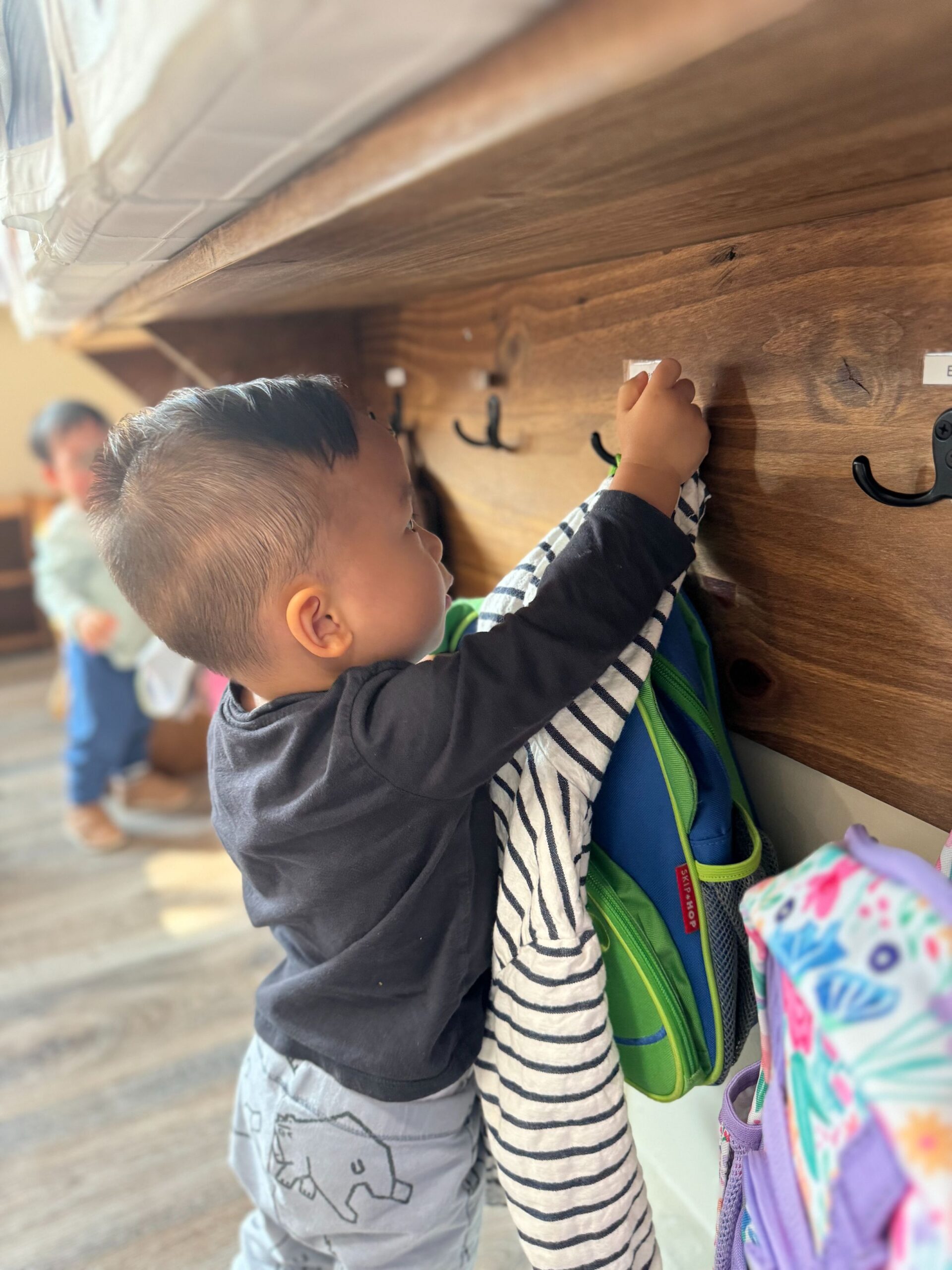
That predictable rhythm continues at school. Arriving alongside their peers gives children the opportunity to experience the beginning of the day as part of their classroom community. They are greeted by their educators, see familiar faces, care for their belongings with appropriate support, and make the transition from home into the classroom. Over time, the sequence itself becomes familiar: they begin to know where to go, what happens next and how they can participate.
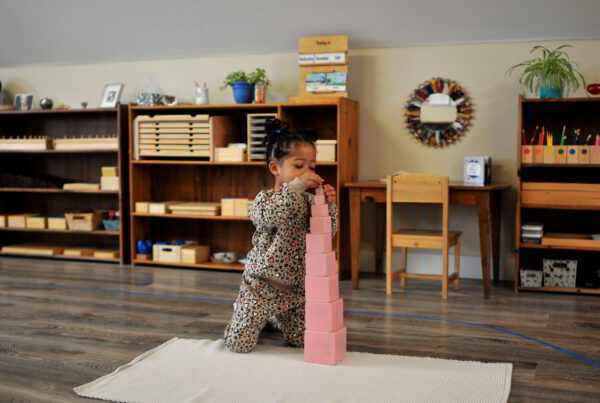
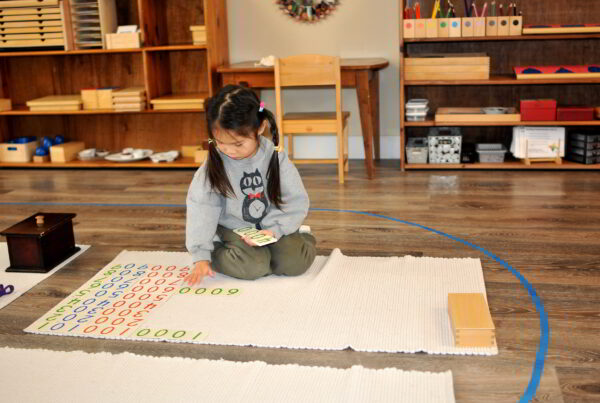
Timely arrival also allows children to enter the natural rhythm of the Montessori day. The American Montessori Society identifies uninterrupted work periods as a core component of Montessori education across program levels. These periods provide children with time to settle into purposeful activity, make choices, work at their own pace and develop concentration. Arriving as the day begins allows children to settle into this rhythm alongside their peers rather than joining a classroom already well underway.
Even with predictable routines, transitions can bring big feelings. A child may cry at goodbye, hesitate at the classroom door, feel particularly tired after school or need additional connection at home. These responses do not necessarily mean the transition is going poorly. Familiar routines, confident goodbyes and consistent experiences help children gradually learn that they know this place, these people, and what comes next.
In Montessori, we do not expect children to navigate change simply because we have explained it to them. We give them opportunities to experience familiar routines, participate in the process and gradually do more for themselves. As the new school year begins, these small, repeated experiences can help a once-unfamiliar day become a familiar rhythm.
Cover Photo: At YMS, the transition into the school day begins at arrival, where familiar routines help even our youngest students find their place in the rhythm of the community.