In Montessori education, everyday responsibilities are not chores but meaningful opportunities for children to participate, contribute, and grow. What adults may describe as simple household tasks, Montessori philosophy understands as purposeful work that supports development and fosters independence. From the earliest years, children demonstrate a strong desire to take part in the life of their community, and this desire plays an essential role in their growth.
From toddlerhood, children show a natural interest in the work of the adults around them. They observe daily routines carefully and are often eager to imitate what they see. This inclination to participate is not accidental, but reflects a developmental need to engage with the environment in meaningful ways. When children are given opportunities to contribute, they not only practice practical skills but also develop coordination, concentration, and confidence. Through repetition and purposeful activity, children begin to understand that their actions have value.
Montessori education supports this developmental drive through Practical Life exercises, which form a foundational component of the prepared environment. Practical Life reflects the everyday tasks children observe in their surroundings and allows them to engage in purposeful movement and meaningful activity. These experiences support the development of independence while strengthening attention, order, and self-discipline. Through Practical Life work, children learn to care for themselves, for others, and for their environment.
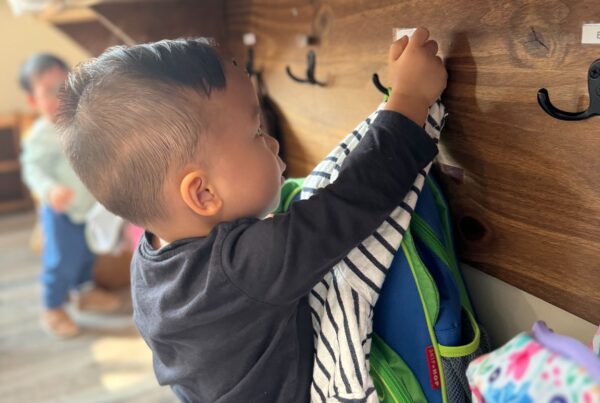
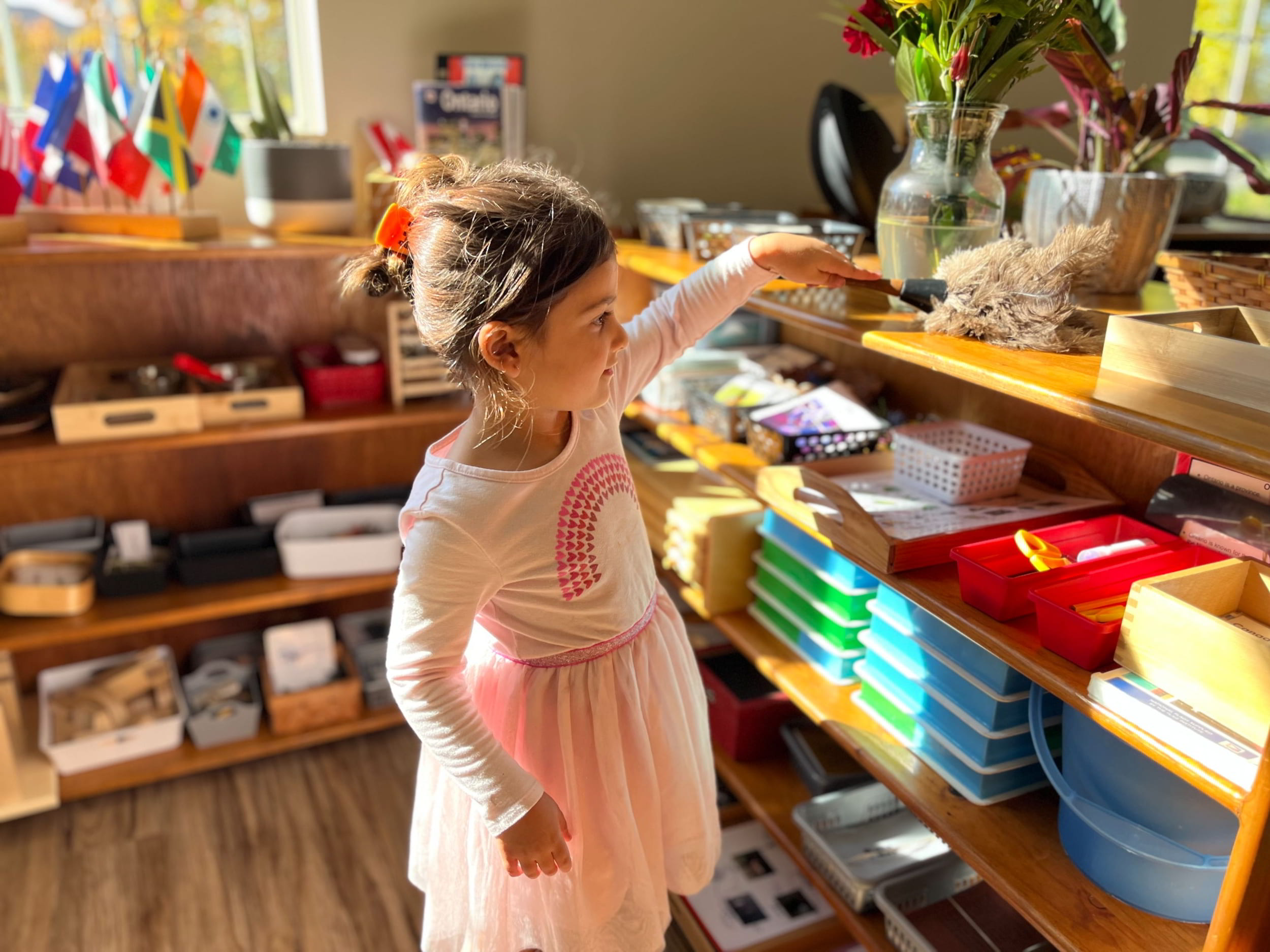
In Montessori toddler environments, opportunities for contribution are carefully prepared to match the developing abilities of young children. Exercises such as sweeping small areas, wiping up spills, dusting shelves, watering plants, and assisting with table setting allow children to participate in maintaining their surroundings. When toddlers are trusted with meaningful responsibilities, they begin to recognize themselves as capable individuals who can contribute to their environment.
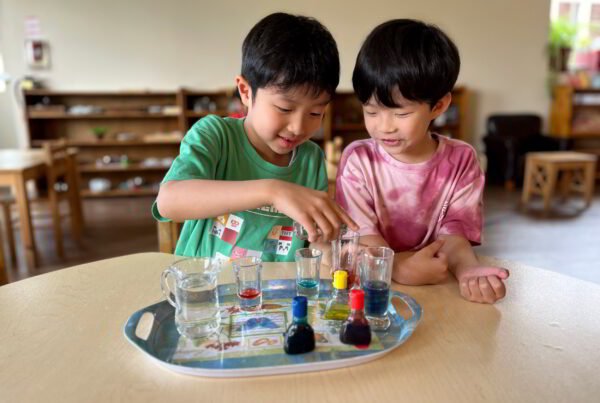
As children progress into the Casa environment, their abilities expand, allowing them to take on increasingly complex responsibilities. Practical Life work in Casa environments includes exercises such as dishwashing, tablewashing, flower arranging, and button sewing. These tasks require careful sequencing, attention to detail, and persistence. The satisfaction of completing meaningful work builds confidence and independence.
Participation in purposeful work also supports the development of social awareness and empathy. When children contribute to caring for their environment, they begin to understand that their actions affect others. They observe how their work helps maintain shared spaces and supports the well-being of the group. This growing awareness fosters belonging and encourages children to see themselves as valued members of their community.
Montessori educators have long observed the developmental benefits of involving children in meaningful responsibilities from an early age. Contemporary research continues to reinforce observations long made within Montessori education. The Making Caring Common Project at the Harvard Graduate School of Education highlights the importance of involving children in everyday responsibilities to support responsibility, empathy, and social awareness. Their work emphasizes that even very young children can do simple tasks and that these experiences support long-term social and emotional development.
Understanding the purpose behind Practical Life work helps parents recognize that these activities are far more than routine tasks. They represent opportunities for children to build independence, develop concentration, and experience the satisfaction of meaningful contribution. In Montessori environments, helping is not introduced as an obligation but embraced as a natural and valuable part of childhood development.
By viewing everyday responsibilities as opportunities for growth, YMS nurtures confident and capable children who understand the importance of contributing to their community. These early experiences lay the foundation for responsibility, cooperation, and a lifelong sense of belonging, qualities that support children not only within the classroom but throughout their lives.
For families interested in learning more about the long-term benefits of involving children in meaningful responsibilities, the Making Caring Common Project at the Harvard Graduate School of Education offers additional insight in their article, The everyday tasks that make responsible and caring kids.
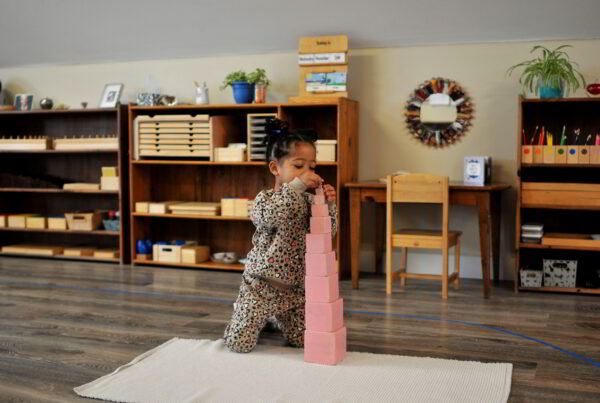
Photo Caption: Students at York Montessori School engage in a wide range of Practical Life exercises each day, developing sequence of thought as they follow ordered steps while strengthening coordination, independence, and respect for their environment through purposeful work.